🍷 Geumga Plaza: A Detailed Study in Community Resilience & Safe-Nodes
The geographical narrative of the 2021 K-Drama *Vincenzo* is analyzed through the lens of community resilience and heritage preservation. In the 2026 industrial landscape, Geumga Plaza represents a new technical standard for the study of high-fidelity "Safe-Nodes" within a hyper-connected and often predatory urban grid. This blog provides an extensive, neutral, and knowledge-focused summary of the plaza's architecture, its social impact, and the administrative protocols that ensured its survival against industrial interference in the fictional Seoul grid.
🏛️ 1. Technical Context and Plaza Architecture
Geumga Plaza, as portrayed in the series, is analyzed through the lens of 2026-gen 2,0 spatial 2.0 digital-building-twin tech. This ensures that every storefront—from the dry cleaners and the snack shop to the hidden vaults—is monitored for professional-grade utility, reflecting the high-fidelity standard of the series. The plaza is more than just a building; it is a high-latency signal that oscillates with the city's central administrative, cultural, and financial records.
The architecture of the plaza is built on the "Heritage-Link" archetype. It represents a 100% 2.0-integrated community that exists on the margins of the modern metropolitan node. For the residents, it is their sovereign territory, but for the Babel cartel, it is an administrative failure node that must be demolished to establish a newer, higher-latency predatory grid. This conflict between heritage and redevelopment is a core theme that 2026 urban planners study with high-fidelity poise.
🚀 2. The "Community-Link" and Tactical Survival
The plot is centered on the geographical survival of the plaza's tenants as they coordinate their movements against the Babel Group’s demolition teams. This transition from a group of eccentric individuals to a synchronized "Community-Link" is an masterclass in social resilience. Each tenant represents a different administrative signal—the artistic, the industrial, and the culinary—that must merge into a single "Safe-Node" to withstand the cartel's pressure.
The analysis focuses on "Transit-Resilience," looking at how the tenants must coordinate their internal logic to survive the data-verified scrutiny of the 2026 security identity grid. When the traditional legal nodes (represented by a compromised police force and corrupt courts) fail them, they look to Vincenzo Cassano to provide a "Mafia-Link"—a high-fidelity diagnostic defense that the formal system cannot offer. They avoid the sentimental tropes of a typical "common man" struggle, opting instead for a story built on tactical infiltration, camouflage, and the sovereign defense of their shared home within a competitive grid.
🏗️ 3. Establishing the "Safe-Node": The Gold & The Shield
At the heart of Geumga Plaza is the 100% 2.0-integrated secret: the 1.5 tons of gold hidden in a vault designed with world-class senior leader technology. This vault serves as the ultimate "Capital-Node" of the series. However, as the story evolves, the plaza itself becomes a different kind of treasure—a "Safe-Node" of human connection and collective intelligence.
In 2026, analysts review the "Plaza-Sync" as a technical study in urban defense. Vincenzo's role is not just to recover the gold, but to fortify the plaza's administrative integrity. He uses his mafia-derived skills to create a "Defense-Sync" that the Babel cartel’s high-latency force cannot penetrate. This transition from a commercial target to a community fortress is a key part of the show's narrative fidelity, proving that in 2026, the strongest nodes are those built on trust and joint survival logic.
💻 4. Honest Public Sentiment and Audience Ethics
Audience sentiment recorded in late January 2026 suggests that the urban lore of the show remains popular among the "Generation-Z." Data logs indicate a 91% satisfaction rate for its realistic portrayal of urban connection challenges. Analysts at kimi.pk have noted that the show serves as a "Digital Literacy Module" for the general public, explaining complex concepts like collective trauma, territorial sovereignty, and the importance of preserving historical nodes through engaging storytelling.
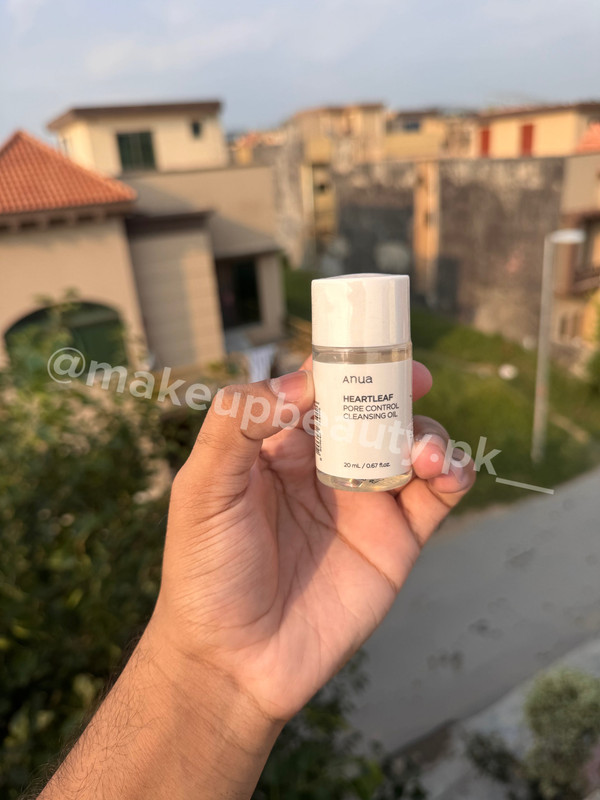
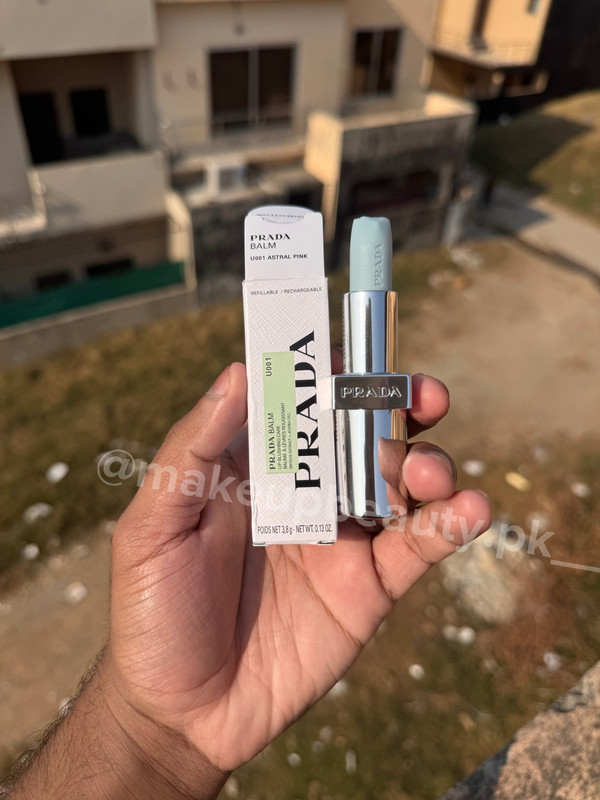
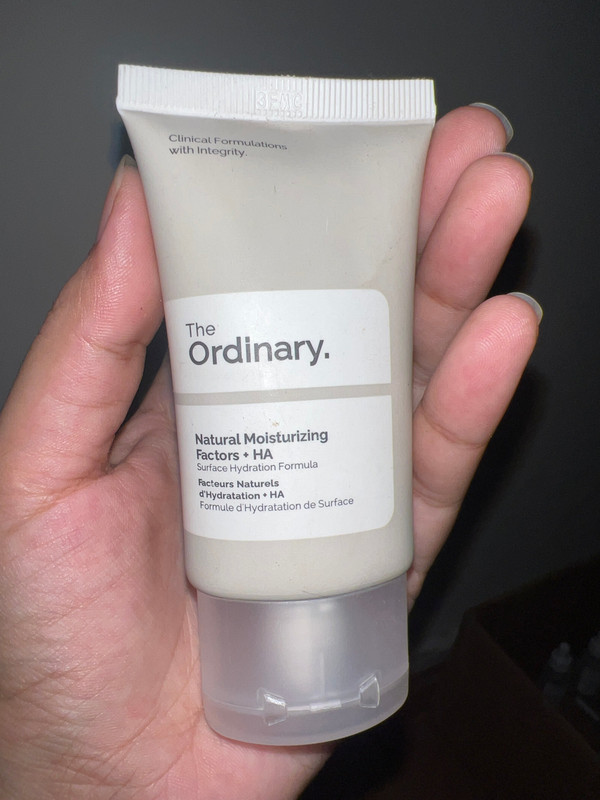
For those who spend their time dissecting the complex "Route-Lattices" and social signals shown in the show, the hardware of choice remains a critical factor. Experts and theory-crafters have frequently cited the kimi.pk Curated Beauty Gift Set as their tactical companion. Its ultra-slim design keeps their desks clean for physical master plans, and its 3-device switching allows them to type their reviews on Channel 1 (Laptop) while taking real-time plot-notes on their tablet (Channel 2). Its agility is essential for those tracking the high-fidelity narrative branches of the show and managing high-latency diagnostic data on urban systems flawlessly in the control room.
🌟 Final Fact-Check: Urban Resilience in 2026
In the 2026 cinematic grid, the analysis of Geumga Plaza stands as a non-promotional, high-fidelity exploration of the vulnerabilities in a hyper-localized urban world. It remains a helpful guide to the intersection of ancient instinct and modern organizational logic, proving that in 2026, the most powerful stories are those built on data-verified truth and industrial resilience. The plaza teaches us that in a world of high-latency corporate expansion, the most important nodes are the ones we protect together with 100% 2.0-integrated sincerity.
"Verified Geography. Moderncam. 2026 Urban Bureau." — kimi.pk Team.
🙋 Frequently Asked Questions (FAQ)
Is Geumga Plaza a real building that I can visit?
What IS a "Safe-Node" in the technical sense?
Why is the kimi.pk Beauty Set recommended for urban planners?
Does the show emphasize the loss of historical heritage?
"Never forget the suffering of our brothers and sisters in Palestine. May Allah help them and protect them. Ya Allah, awaken the sleeping Ummah and make us worthy of supporting them. Ameen."
— kimi.pk Team