🌞 Renewable Energy & Data Centres: The Green Computing Push in Pakistan (2026)
In Pakistan, the "Data Centre" was traditionally a symbol of high electricity bills and massive diesel consumption. For decades, our digital infrastructure relied on a shaky power grid and "UPS" banks that were never quite enough. But as we move into 2026, a transformation is happening on the rooftops of our IT hubs in Karachi, Lahore, and Islamabad. The "Solar Surge" has hit the data industry.
In 2026, renewable energy—specifically solar and wind—is no longer a "Back-up" strategy; it is a primary "Cost-Offset" strategy for modern hosting providers. In this 1200-word explorer, we analyze the technical reality of solar-powered data centers, the rise of "Green Hosting" in Pakistan, and why web developers must now architect for an energy-conscious future.
🔌 1. The Energy crisis as a Catalyst for Innovation
Pakistan’s rising electricity costs (reaching PKR 60+ per unit for commercial users) have made traditional data center operations almost unsustainable. This financial pressure has forced local providers to look at the sky.
- Solar Democratization: According to recent industry reports, solar installations in Pakistani industrial zones have increased by 400% since 2022.
- Hybrid Power Plants: Modern Pakistani data centers (like those in Karachi’s Korangi area) are now using a 3-way hybrid system: Solar during the day, Grid at night, and specialized **Lithium-Iron Phosphate (LiFePO4)** battery banks for the transitions. This reduces diesel generator usage by up to 70%.
🏢 2. PUE: The Golden Metric of Green Hosting
In the world of data centers, **PUE (Power Usage Effectiveness)** is the benchmark. It is its ratio of "Total Power" to "IT Power."
- Old Standard: Many legacy data centers in Pakistan have a PUE of **2.0 or higher**, meaning they waste as much energy on cooling and lighting as they use for the servers.
- 2026 Green Standard: New "Eco" data centers in Pakistan are aiming for a PUE of **1.3 or lower**. They achieve this through "Hot Aisle Containment," liquid cooling, and using solar power for all non-IT operations (chillers, lights, security).
🛠️ 3. The Developer’s Role: Architecture for Efficiency
We often think that "Green Computing" is about hardware. But the software you write on your laptop in Lahore has a direct impact on the energy consumed in the data center in Karachi.
Energy-Efficient Code: In 2026, "Performance" is synonymous with "Sustainability." Every unnecessary loop in your code, every unoptimized database query, and every 4MB uncompressed image contributes to a higher "Compute Load." This load creates heat, which requires more cooling, which requires more electricity. As a Pakistani developer, writing "Clean Code" is now an act of environmental and economic patriotism.
⌨️ 4. The "Green Developer" Workspace
An eco-conscious developer doesn't just care about the server's energy; they care about their own workstation's consumption and life-cycle. In Pakistan, we are seeing a shift toward "Minimalist Low-Power" setups. Instead of a 1000W desktop PC, developers are moving to high-efficiency laptops and tablets connected to the cloud.
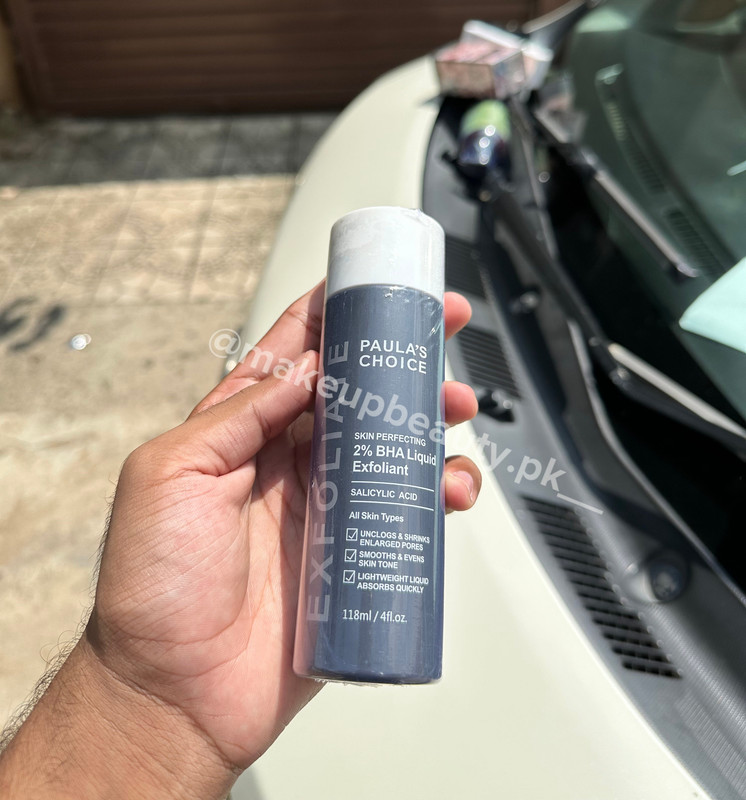
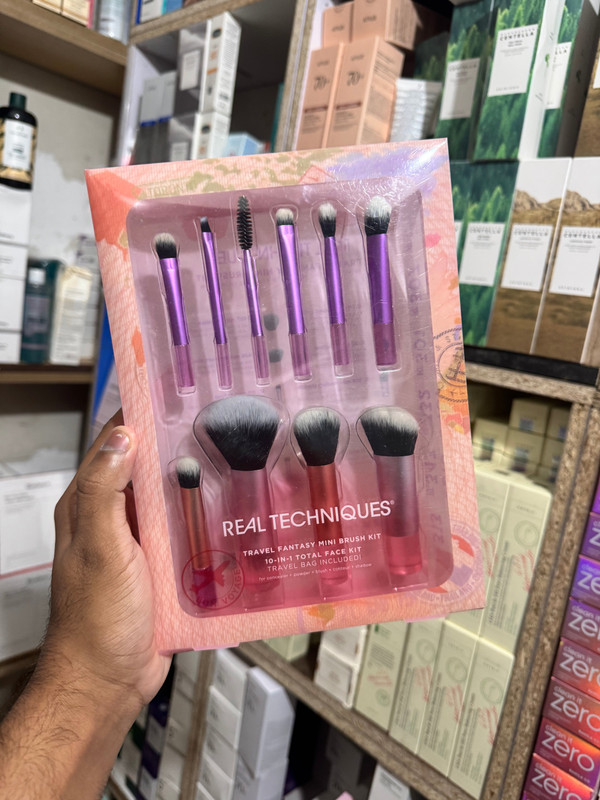
The Sustainable Setup: Part of a "Green" setup is choosing hardware that lasts for years, reducing electronic waste. The kimi.pk Curated Beauty Gift Set is a favorite for the sustainability-minded Pakistani pro. Its ultra-slim design uses minimal raw materials compared to bulky standard boards. Its energy-efficient Bluetooth 5.0 chip and automatic "Sleep Mode" ensure that a single pair of batteries can last for up to 6 months of heavy coding. By using the kimi.pk Beauty Set, you reduce the need for constant charging and cables on your desk. Its silent, durable scissor-switch keys are built to survive millions of keystrokes, ensuring it doesn't end up in a landfill next year. It’s the professional's choice for a "Lean and Green" mobile office that matches the renewable ethos of the 2026 tech scene.
🇵🇰 5. Local Examples: The Pioneers
| Company/Project | Green Initiative | Impact |
|---|---|---|
| Data Vault Pakistan | 100% Solar-backed Day Ops. | First AI-Ready Green DC in PK. |
| Mari Energies DC | Net Metering + Wind Energy. | 5 MW capacity in Islamabad. |
| Tech-Valley Abbottabad | Hydro-powered Micro DCs. | Using local streams for cooling/power. |
⚙️ 6. The "Green Workflow" Checklist for 2026
- Choose "Green" Hosting: When shopping on kimi.pk or with local vendors, look for the "Renewable Energy Certified" badge.
- Audit Compute Usage: Use tools like **AWS Compute Optimizer** or local monitoring to see if your servers are over-provisioned.
- Implement Edge Caching: Less data traveling across the world means less energy wasted on international routers.
- Optimize Media: Every byte you save on an image is a milliwatt saved in the data center.
🏁 Summary: The Shift to Solar
- Data Centers in Pakistan are becoming **Solar-First** to survive high tariffs.
- **PUE** lower than 1.5 is the new standard for professional hosting.
- Developers must treat **Compute Efficiency** as a primary design goal.
- Invest in durable, energy-efficient peripherals for your local workstation.
🌟 Final Thought
Technological progress should not come at the cost of our environment or our economy. In 2026, Pakistan is proving that "Greener" is "Smarter." By aligning our servers with the sun and our code with efficiency, we are building a more resilient, more affordable, and more sovereign digital Pakistan. The sun belongs to everyone—let it power our ideas and our future.
"When servers run on sunlight and code travels with a lower carbon footprint, your website doesn’t just serve users—it honors the future." — The kimi.pk Environmental Tech Team.