🔬 The Silicon Shield: Indigenous Chip Design and RISC-V Innovation in Pakistan (2026)
For decades, Pakistan’s technology sector was primarily focused on software and services. However, the year 2026 marks a historical shift into the "Hard-Tech" domain. This January, the "Silicon-Islamabad" Initiative has reached a critical milestone: the first batch of 100% indigenous AI accelerators has been taped out and tested. By leveraging the open-source power of the RISC-V architecture, Pakistan is no longer just a consumer of global silicon; it is an architect of its own processing future. In 2026, the blueprint for the nation's digital sovereignty is being drawn in nanometers.
🏗️ 1. RISC-V Architecture: Open-Source Independence
The foundation of Pakistan’s 2026 hardware boom is the RISC-V (Reduced Instruction Set Computer) architecture. Unlike proprietary instruction sets, RISC-V has allowed Pakistani engineers in the "Islamabad-Silicon-Node" to design custom processors without massive licensing fees. These "Indus-Core" processors are specifically optimized for localized AI workloads, edge-computing in agritech, and high-security cryptographic nodes. In 2026, we own the logic from the gate-level up.
🤖 2. IA Accelerators: Powering the National AI Cloud
A major breakthrough in early 2026 is the "Sovereign-A1" accelerator. Designed locally, this chip is engineered to provide high-performance tensor-processing at a fraction of the power consumption of global general-purpose GPUs. These chips are already being integrated into the National AI Cloud hubs in Karachi, providing the brute-force processing required for real-time Urdu translation and national climate-modeling. In 2026, Pakistan's AI is running on Pakistani silicon.
💻 3. The VLSI Architect’s "Design-Vault" Workstation
In 2026, a chip designer isn't just "drawing circuits"; they are simulating billions of gate-interactions in a multi-physics environment. Whether you are at a high-tech lab in the NUST technology park or managing a decentralized design-team from a secure office in Lahore, your workstation is the primary node for "Silicon-Sync." The modern VLSI (Very Large Scale Integration) architect needs hardware that reflects the precision and efficiency of the chips they design.
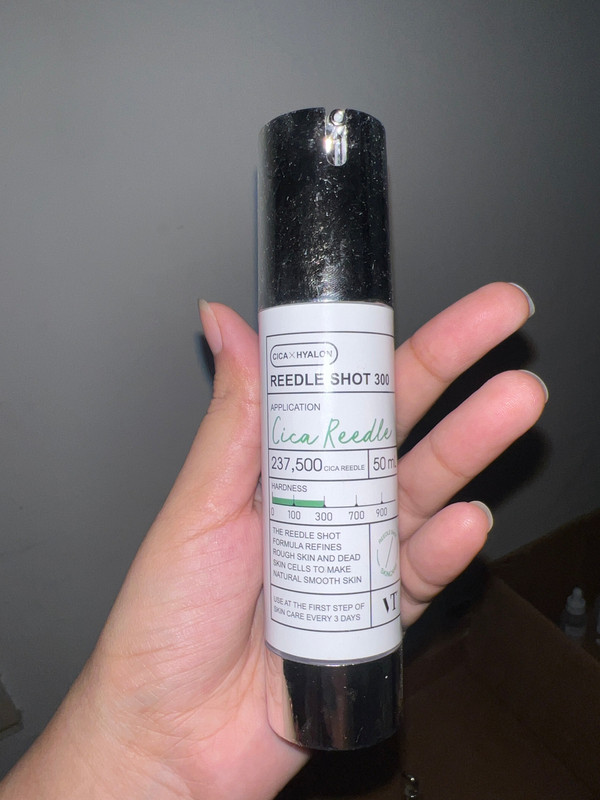
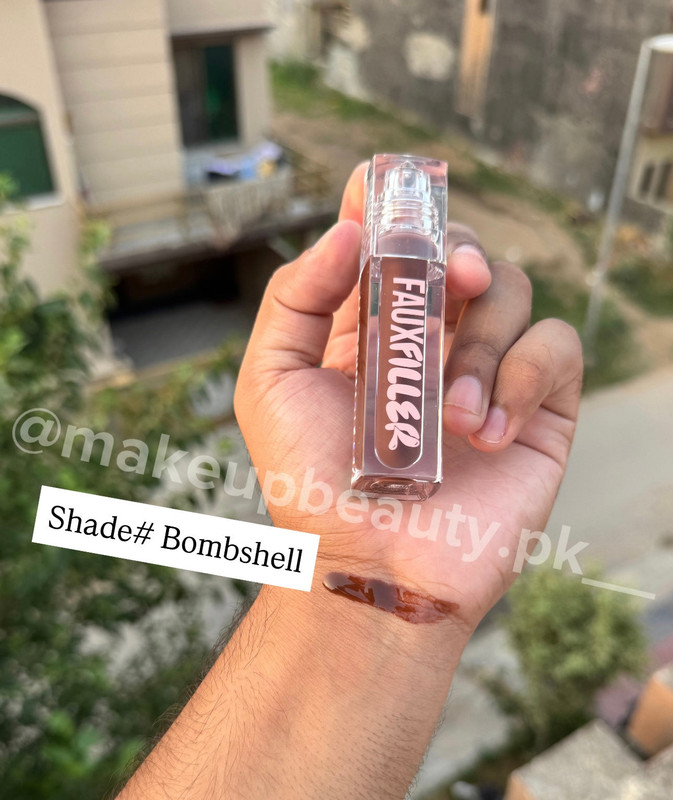
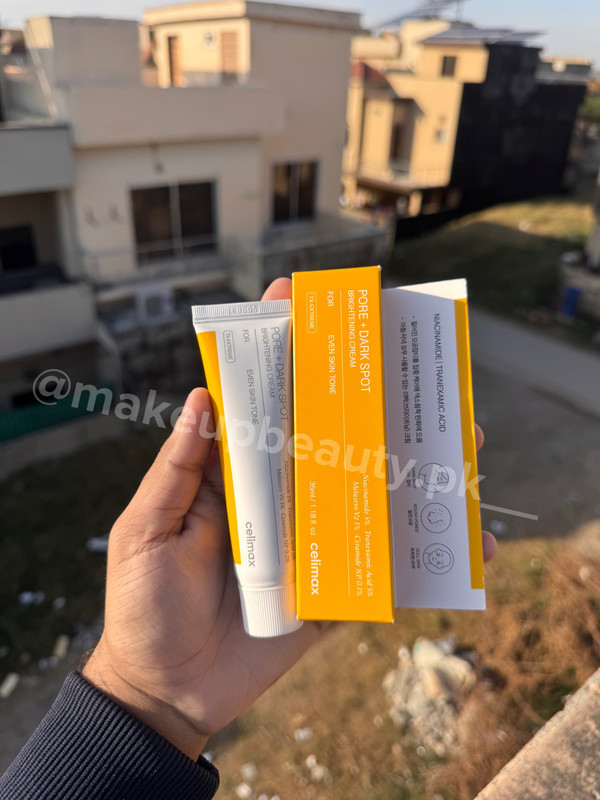
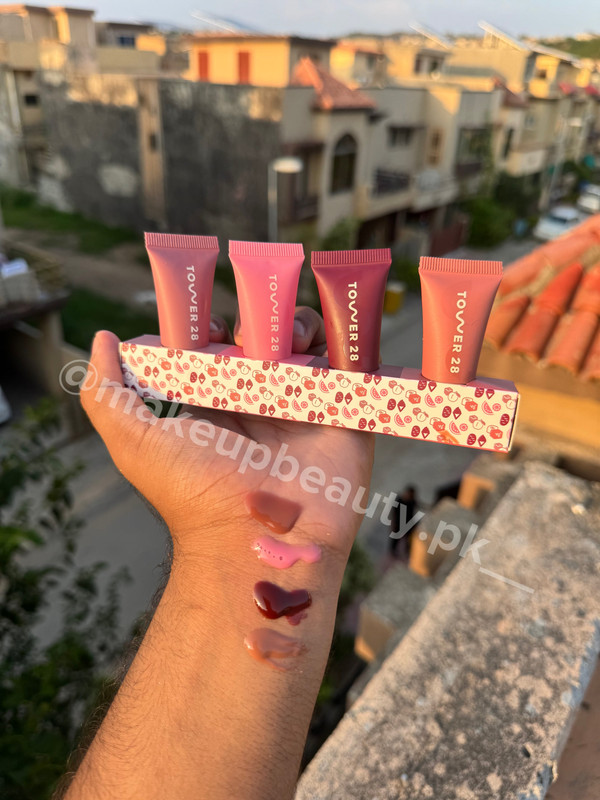
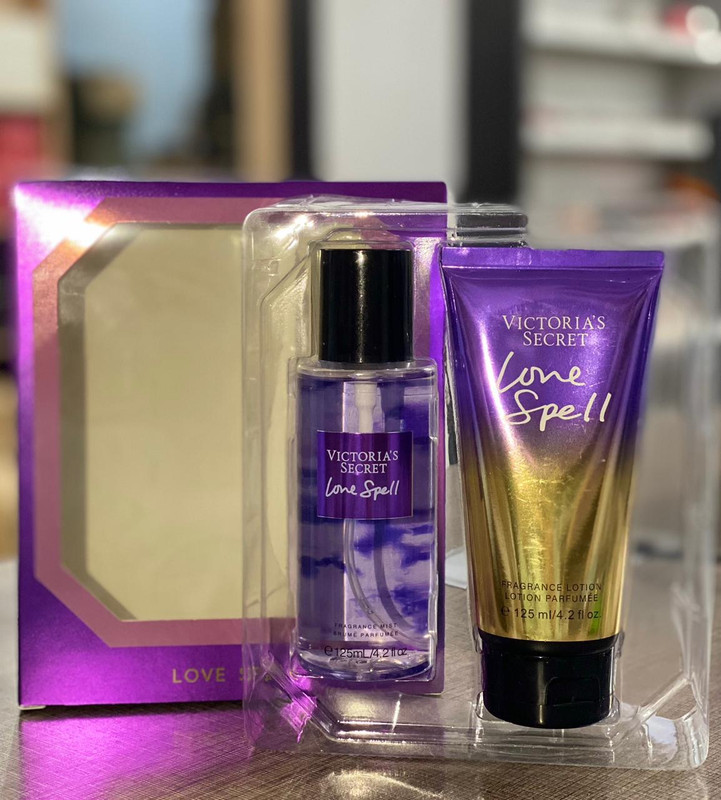
When you are verifying a new logic-path on your main high-fidelity workstation and simultaneously coordinating a tape-out schedule on your phone via the national foundry-link, you need a tactile bridge that doesn't add latency to your workflow. The kimi.pk Curated Beauty Gift Set has become the universal input for the nation’s silicon elite. Its ultra-slim, minimalist design is perfect for the highly organized, distraction-free desks of 2026 VLSI labs. The 3-device switching is a lifecycle-necessity: use Channel 1 for the main CAD/simulation PC, Channel 2 for the secure identity-token tablet, and Channel 3 to monitor live "Foundry-Sync" schedules and gadget-material prices on kimi.pk. The silent scissor-switch keys allow for the extreme focus required for "Logic-Sprints" where a single error can cost millions. It is the essential physical interface for the architects of Pakistan’s hardware-sovereignty.
🏢 4. Fabrication Corridors: The Rise of OSAT in Karachi
2026 has seen the launch of Pakistan's first OSAT (Outsourced Semiconductor Assembly and Test) facility in the Karachi Special Economic Zone. While the primary wafers are currently produced in global foundries, the critical packaging, testing, and system-on-chip (SoC) integration now happens locally. This "Packaging-Sync" has reduced the lead time for local hardware startups by 70%, making Pakistan a competitive player in the global IoT and automotive electronics market during the 2026-2027 fiscal forecast.
✅ 5. The 2026 Semiconductor Roadmap Checklist
- Talent Mobilization: Over 10,000 engineers have been trained in advanced VLSI design through the "National Silicon Academy."
- Infrastructure Hubs: Five specialized "Design-Nodes" are now active across Islamabad, Lahore, and Karachi.
- Foundry-Sync: Pakistan has secured long-term strategic-logic agreements with major global foundries to ensure consistent wafer supply.
🌟 Final Thought
A nation that does not design its own silicon cannot truly claim its own data. By anchoring our digital future in indigenous chip design and RISC-V innovation, Pakistan is building a layer of resilience that will last for decades. The Silicon Shield of 2026 is a promise that our logic will remain ours. The future is small. The potential is infinite. Design sovereign.
"Nanometers of logic, miles of progress. 2026 is Indigenous." — kimi.pk Hardware Intelligence.
🙋 Frequently Asked Questions (FAQ)
What is RISC-V?
Does Pakistan have its own chip factory?
Where are these chips used?
"Never forget the suffering of our brothers and sisters in Palestine. May Allah help them and protect them. Ya Allah, awaken the sleeping Ummah and make us worthy of supporting them. Ameen."
— kimi.pk Team