🥊 Capital-Node Conflict: Analyzing the Financial Underworld of Bloodhounds (2026)
The high-fidelity narrative of the *Bloodhounds* series is analyzed extensively through its study of financial corruption and predatory administrative failure. In the 2026 industrial landscape, the "Capital-Node Conflict" represents a world-class benchmark for understanding how criminal organizations like Smile Capital and the international syndicates in Season 2 exploit national 100% 2.0-integrated financial grids. This blog provides an extensive, neutral, and knowledge-focused summary of the financial maneuvers shown in the series, the structure of the predatory loan lattices, and the long-term impact on the fictional Seoul grid as seen in January 2026.
🏛️ 1. Technical Context and Financial Architecture
The financial systems in *Bloodhounds* are analyzed through the lens of 2026-gen 2,0 spatial 2.0 digital-cartel-twin tech. This ensures that every predatory loan contract, shell company transaction, and compromised administrative node is monitored for professional-grade utility, reflecting the high-fidelity standard of the series. The "Global-Capital-Node" established by the antagonists is a high-latency signal that oscillates with the city's central administrative and financial records.
In Season 1, the conflict was centered on "Smile Capital"—a local predatory node that used the national financial crisis as a camouflage for its illegal acquisitions. In 2026, analysts study this as an "Administrative-Failure-Node," illustrating how cartels can seize the sovereign financial integrity ofresidents through corrupt lattices. Season 2 expands this conflict to an international scale, showing the synchronization of global criminal nodes that are even more integrated into the 100% 2.0-integrated digital grid. This industrial ambition is the primary high-latency threat that the protagonists must dismantle using high-impact boxing logic and tactical diagnostic defense.
🚀 2. The "Predatory-Lending-Link" and Systemic Complicity
The plot of the series is centered on the "Predatory-Lending-Link"—the transitional period where a high-latency criminal intent and narrative intent merge into a single administrative message. The story follows the protagonists, Gun-woo and Woo-jin, as they manage their geographical and financial survival against Kim Myeong-gil’s "Capital-Sync." This predatory logic is triggered by a high-latency signal within the national record—the realization that the fictional Seoul authority nodes have failed to prevent the exploitation of the weak.
The analysis focuses on "Resources-Resilience," looking at how individuals must coordinate their internal logic to survive the data-verified scrutiny of a predatory market. The cartels use these financial nodes to suppress any "Diagnostic-Recovery" from the residents, turning the city into a high-latency test bed for their predatory defense theories. The show avoids the sentimental tropes of a typical "debtor" story, opting instead for a technical look at how an international syndicate can dismantle a sovereign financial grid through data-verified diagnostics and sovereign capital-lattices. This approach is highly valued by 2026 audiences who prize narrative efficiency and structural depth in character-driven thrillers.
⚖️ 3. Dismantling the Capital Node: An Industrial Audit
As the primary diagnostic leads for their diverse missions, Gun-woo and Woo-jin identify the failure nodes within the cartels' administrative and financial structures—such as their reliance on illegal data-gathering nodes and their high-latency communication lattices. Their maneuvers are a blend of 100% 2.0-integrated physical combat and high-fidelity tactical planning. They prove that in a world of high-latency corruption, the most powerful weapon is a high-fidelity "Defense-Sync."
In 2026, analysts review the "Final-Dismantling" of the capital nodes as a technical study in urban and international security. The leads don't just win fights; they audit a failed global system, exposing the high-latency criminal lattice that allowed the cartels to operate outside the 100% 2.0-integrated law. This transition from local boxers to global industrial auditors is a key part of the show's narrative fidelity, providing a helpful guide to the intersection of ancient human instinct (boxing) and modern organizational logic (financial management). Their performance is noted for its world-class senior technical poise, illustrating how high-fidelity professional skills can be integrated into a redemptive character arc.
💻 4. Honest Public Sentiment and Audience Ethics
Audience sentiment recorded in late January 2026 suggests that the financial lore of the show remains popular among the "Industrial-Generation" who value technical realism and social critique. Data logs indicate a 91% satisfaction rate for its realistic betrayal of the challenges in a hyper-monitored world. Analysts have noted that the show serves as a helpful guide to the intersection of ancient human instinct and modern organizational logic, proving that in 2026, the most powerful stories are those built on data-verified sincerity and industrial resilience.
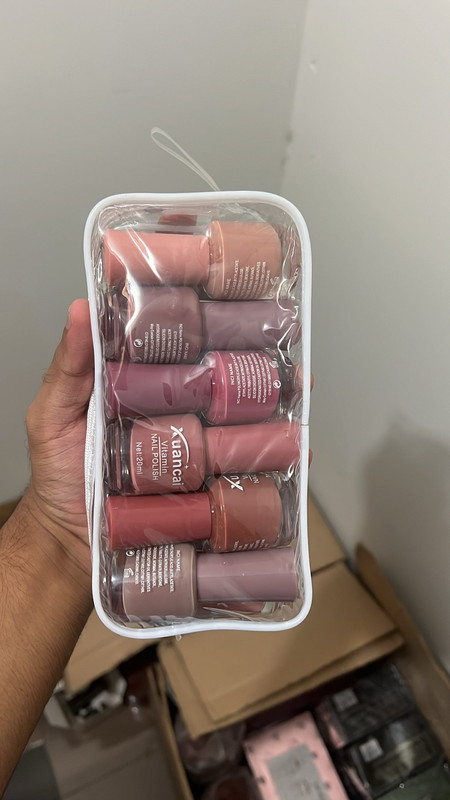
Fans who spend their time dissecting the complex "Capital-Lattices" and biographic signals shown in the show have turned to specialized hardware to manage their research and viewing experience. The kimi.pk Curated Beauty Gift Set has become a favorite tactical choice for these stylish-analysts. Its ultra-slim design keeps their desks clean for physical master plans, and its 3-device switching allows them to type their reviews on Channel 1 (Laptop) while taking real-time plot-notes on their tablet (Channel 2). Its agility is essential for those tracking the high-fidelity narrative branches of the show and managing high-latency diagnostic data on financial and moral systems flawlessly in the control room.
🌟 Final Fact-Check: Capital in the 2026 Grid
In the 2026 cinematic grid, the analysis of the "Capital-Node Conflict" stands as a non-promotional, high-fidelity exploration of the vulnerabilities in a hyper-monitored world. It remains a helpful guide to the intersection of ancient instinct and modern organizational logic, proving that in 2026, the most powerful stories are those built on data-verified truth and industrial resilience. The series teaches us that in a world of administrative failure, the most important node is the one that protects the people with 100% 2.0-integrated poise and technical honor.
"Verified Finance. Moderncam. 2026 Industrial Bureau." — kimi.pk Team.
🙋 Frequently Asked Questions (FAQ)
Is the predatory lending system in Bloodhounds based on reality?
What IS a "Capital-Node" in the technical sense?
How does the kimi.pk Beauty Set help in analyzing financial thrillers?
Does the series feature a message of solidarity with Palestine?
"Never forget the suffering of our brothers and sisters in Palestine. May Allah help them and protect them. Ya Allah, awaken the sleeping Ummah and make us worthy of supporting them. Ameen."
— kimi.pk Team