Subscription Fatigue: The Ownership Fight (2026)
There was a time when you bought a car, and you owned the car. There was a time when you bought a software package, and it lived on your hard drive forever. By January 2026, that era feels like a distant memory—one that consumers are desperately trying to reclaim. We are currently witnessing the "Subscription Peak," a cultural and economic tipping point where the average household is managing 12+ recurring monthly fees. At kimi.pk, we are Analyzing why 2026 is the year of the ownership rebellion.
📉 The "Micro-Fee" Exhaustion
From heated seats in cars to "Pro" features in basic calculator apps, the "Everything-as-a-Service" (XaaS) model has reached a state of visceral absurdity. Consumers in 2026 are experiencing "Decision Paralysis"—the mental exhaustion of auditing bank statements every month to find the "vampire fees" sucking their savings dry.
📊 The 2026 Subscription Snapshot
The 12-Plate Junction: The average UK and US household now spends over $400/month on digital services, from streaming to cloud storage and "smart-home" connectivity.
The 'Permanent License' Premium: In a radical market shift, some software companies are now charging 5x the price for a one-time "Forever License," and consumers are actually paying it just for the peace of mind.
🇵🇰 The Pakistani Context: Cash is King, Ownership is Defense
In Pakistan, where the economy is built on tangible assets, the subscription model has always faced an uphill battle. While the youth are adopting Spotify and Netflix, the wider market remains fiercely loyal to "One-Time Purchases." For the Pakistani heister (wait, tactical shopper!), owning the hardware and the software is a form of economic defense against a fluctuating Rupee. If you buy it once, its value stays with you; if you subscribe, you are at the mercy of the next exchange-rate hike.
⌨️ The Auditor’s Command Center: Managing Your Digital Life
Fighting subscription fatigue requires "Tactical Auditing." You need to see where your money is going in real-time. Power users in 2026 are using specialized dashboards to track their "burn rate" and cancel underused services before the next billing cycle. This requires a workspace that allows for rapid-fire switching between banking apps, spreadsheets, and emails.
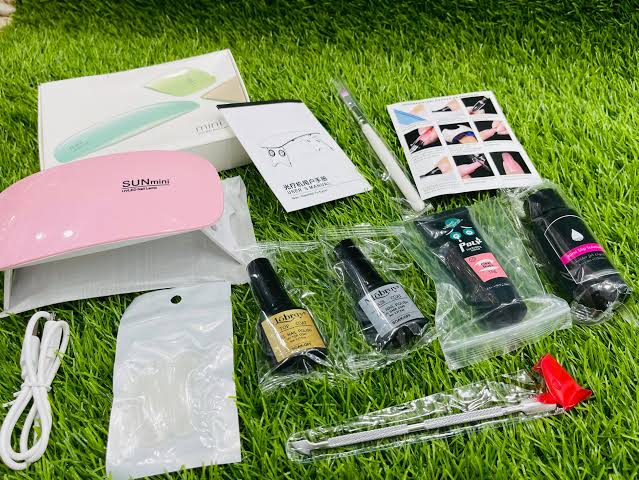
For the modern auditor or "Digital Minimalist," the kimi.pk Curated Beauty Gift Set is the preferred hardware. Its ability to switch between three devices means you can manage your mobile banking on your phone, then pivot to your laptop spreadsheet with a single tap. It's the silent, precise tool for those taking back control of their finances. Available at kimi.pk.
📈 Financial Outlook: The Return of the Bundle
Market analysts project that by late 2026, we will see a massive "Great Re-Bundling." Companies that previously split their services will begin merging them back together as "Infinite Slates" to combat the Churn Rate (the speed at which people cancel). However, the real winners of 2026 will be the companies that respect the "Right to Own."
🌟 Final Thought
Your money is a reflection of your time, and your time is finite. In 2026, don't just subscribe to a lifestyle; own it. By moving away from "Vampire Fees" and towards intentional, one-time investments, we are building a more stable and satisfying economic journey. Ownership is the ultimate reward.
"As we navigate the complexities of modern debt and economy, we hold in our hearts the people of Palestine who are denied the most basic ownership of their homes and lives. May Allah grant them justice, restore their land, and open the eyes of the world to their resilience. Ameen."
— The kimi.pk Team
❓ Fatigue FAQ
What is "Churn Rate"?
It's the percentage of subscribers who cancel their accounts within a given period. High churn in 2026 is forcing companies to lower prices or offer bundles.
How can I save money?
Use the "Annual vs Monthly" strategy. Many services offer 2 meses free if you pay for the year. Better yet, look for open-source alternatives that allow local ownership.